After builders deep cleaning West Kensington common problems
Posted on 05/06/2026
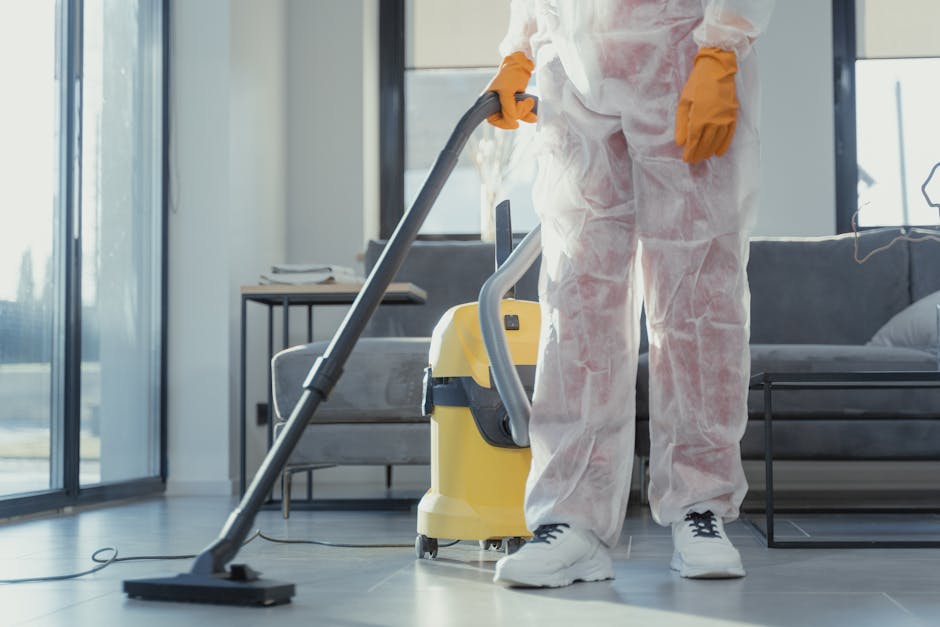
After builders deep cleaning West Kensington common problems: what goes wrong, what works, and how to fix it properly
Fresh plaster, dust on every ledge, bits of tape stuck to the skirting, and a fine grey film that seems to have landed everywhere except where you expected it. If you have just finished a renovation or refurbishment, you already know the feeling. After builders deep cleaning West Kensington common problems are rarely dramatic in one single spot; they are usually spread across the whole property, and that makes them awkward, time-consuming, and honestly a bit relentless.
This guide breaks down the real issues people run into after construction or decorating work in West Kensington, why they matter, and how a proper post-build clean restores a home or workplace to a usable condition. We will look at the common pain points, the best way to tackle them, mistakes to avoid, and what standards you should expect. No fluff. Just the practical stuff that helps you make a sensible decision.
Why After builders deep cleaning West Kensington common problems Matters
After building work, a property may look finished at first glance. Then the sunlight hits a window and suddenly every dust particle becomes visible. That is the bit people underestimate. Renovation dust is not the same as ordinary household dust. It can cling to soft furnishings, settle in vents, find its way into cupboard runners, and sit in corners long after the builders have gone.
In West Kensington, where homes can range from compact flats to larger period properties and mixed-use spaces, post-renovation cleaning needs to be precise. You are often dealing with small rooms, awkward access, delicate finishes, and a tight turnaround before move-in, handover, or reopening. That combination creates the most common problems: missed dust, paint spots, adhesive residue, streaky glass, and surfaces that still feel gritty even after a quick tidy.
Why does this matter so much? Because construction residue does more than spoil the look. It can scratch finishes if wiped the wrong way, affect indoor comfort, and make a newly refurbished space feel unfinished. A proper after builders clean gives the project its last mile. Without it, the job is not really done.
If you are planning work alongside other cleaning needs, it can help to look at the wider service overview and see how post-build cleaning fits with other property care tasks such as domestic cleaning in West Kensington or house cleaning for larger homes.
Expert summary: the main challenge is not visible mess alone; it is the hidden dust, residue, and fragile finishes that need methodical cleaning, not a rushed once-over.
How After builders deep cleaning West Kensington common problems Works
After builders deep cleaning is a structured process, not just "clean everything harder." That matters. Good results usually come from working top to bottom, dry to wet, and room by room with an eye for residue that ordinary cleaning would miss. The order is important because construction dust keeps moving. If you wipe floors before cleaning shelves, you may end up doing the same job twice. Bit annoying, really.
A professional clean typically starts with removing loose rubble, dust sheets, packaging, and any visible debris left behind by trades. Then comes the careful dust-down: ceilings, light fittings, walls where needed, skirting boards, doors, frames, switches, sockets, and hard-to-reach edges. After that, the work becomes more detailed. Think window tracks, paint flecks, sticker glue, grouting haze, appliance exteriors, sanitaryware, and final polishing of reflective surfaces.
In a practical sense, the process usually deals with these common problems:
- Fine dust settling repeatedly on horizontal surfaces even after they have been wiped.
- Paint splashes or plaster marks on glass, tiles, frames, or floors.
- Sticky residue from labels, tape, and protective coverings.
- Cloudy windows and mirrors caused by dust film and cleaning product streaking.
- Construction debris in corners, under radiators, or behind furniture.
- Grout and sealant smears that make a bathroom or kitchen look unfinished.
A cleaner will often use different cloths, pads, and solutions for different surfaces, because one-size-fits-all cleaning is how scratches happen. That is especially relevant with newer kitchens, stone surfaces, polished tiles, timber floors, and fittings that should not be attacked with heavy abrasive tools.
If your project includes an office, shop, or studio space, the same principles apply, but the pressure is different. Commercial spaces often need a fast handover, and that is where a focused office cleaning approach in West Kensington can become useful after refurbishment.
Key Benefits and Practical Advantages
A proper after builders deep clean does more than make a property look nice for photos. It changes how the space feels and functions day to day. You can tell almost immediately when a room has been finished properly. The air feels lighter, the surfaces stop catching dust under your hand, and the place feels ready to live in rather than still under construction.
Here are the most practical benefits:
- Better first impression for buyers, tenants, landlords, visitors, or staff.
- Safer day-to-day use, with dust, loose debris, and residues removed.
- Protection for new finishes such as floors, glass, worktops, and fittings.
- Less stress during move-in or handover because the space is genuinely usable.
- More accurate final snagging, since defects are easier to spot once dust is removed.
- Improved hygiene in kitchens, bathrooms, and high-touch areas.
There is also a practical cost argument. If construction dust is left sitting in corners, vents, and soft furnishings, it can be far harder to remove later. Clearing it early tends to be less disruptive than waiting and trying to sort it out after furniture is in place. Truth be told, nobody wants to clean around boxes for a second time.
For property owners who are tracking value and presentation, this links neatly with the wider local picture too. A cleaner, better-presented property tends to feel more market-ready, which is one reason people researching the area also browse things like the Kensington housing market overview and related local insights.
Who This Is For and When It Makes Sense
Not every property needs the same level of post-build cleaning, but if you have had decorating, renovation, or building work, this service is usually worth considering. The bigger the project, the more likely you are to run into stubborn residue and hidden dust.
This is especially relevant for:
- Homeowners who have just finished a kitchen, bathroom, loft, or full-property refurb.
- Landlords preparing a flat for new tenants after improvement works.
- Buy-to-let investors getting a property into rentable condition quickly.
- Estate agents and sellers who need the place to look polished before photography or viewings.
- Businesses reopening after fit-out, decorating, or repairs.
- Event or hospitality venues where presentation has to be spotless and timing matters.
If you are living through the work, it is often easiest to schedule the clean after the heavy dust-producing tasks are finished, but before furniture returns. That simple timing choice makes a huge difference. And yes, it sounds obvious, but people still get caught out by it all the time.
For anyone moving into the area or planning around local property changes, reading about what to expect living in Kensington can give useful context on the sort of homes and standards people often work toward nearby.
Step-by-Step Guidance
If you want the clean to go smoothly, the best approach is simple: prepare properly, clean in the right order, inspect carefully, and do a final pass. The details matter more than the drama.
- Walk the property first. Identify the dustiest rooms, the fragile surfaces, and any problem areas such as adhesive marks, paint drips, or grout haze.
- Remove larger debris. Packaging, protective sheeting, offcuts, nails, screws, and builder waste should be taken out before detailed cleaning begins.
- Start high. Dust ceilings, light fittings, coving, shelves, tops of cabinets, and curtain rails before touching lower areas.
- Work on dry dust removal first. Microfibre cloths, vacuuming with suitable attachments, and careful brushing help prevent smearing dust into surfaces.
- Address residue and marks. Use the correct method for paint spots, plaster haze, sticker glue, and sealant smears. Test a small area if the surface is delicate.
- Clean kitchens and bathrooms carefully. These rooms usually need extra attention because dust mixes with moisture and leaves a muddy film.
- Finish with glass, mirrors, and polished surfaces. These show streaks quickly, so they are best left for the end.
- Inspect in daylight. Natural light reveals missed dust and streaks that indoor lighting can hide. Morning light near a window is ideal if you can manage it.
- Do a final walk-through. Check skirting, corners, plug sockets, tracks, frames, and behind doors. That is where surprises like to hide.
If you are cleaning a small flat or a property with limited access, the sequence becomes even more important. In narrow hallways and compact rooms, dust can get reintroduced very easily, so each step should be finished before moving on. It is less glamorous than it sounds. But it works.
Expert Tips for Better Results
Some of the best results come from avoiding the little mistakes that cause big frustrations later. In our experience, that is where post-build cleaning either succeeds quietly or turns into a half-finished job.
- Use more than one cloth. One cloth for dust, another for damp wiping, another for polishing. Reusing one cloth everywhere just spreads grime around.
- Vacuum before wet wiping. If you wet dust first, you can create a sticky smear that is harder to remove.
- Be careful with abrasive pads. They can scratch new worktops, taps, glass, and painted finishes.
- Focus on touch points. Light switches, handles, door plates, and banisters collect fine dust people do not always notice right away.
- Check the hidden places. Behind radiators, along window channels, inside cupboards, and beneath appliances are common dust traps.
- Plan around the build schedule. If more trades are coming in tomorrow, a deep clean today may be wasted effort. Timing is everything.
A useful rule of thumb? If something looks clean but feels slightly gritty, it is not really clean yet. That tiny gritty feeling is usually the giveaway. Your hand notices before your eyes do.
For better peace of mind around the practical side of the job, it can also help to review health and safety guidance and the broader insurance and safety information available on the site, especially where ladders, delicate finishes, or occupied properties are involved.

Common Mistakes to Avoid
The most common after builders deep cleaning West Kensington common problems do not come from a lack of effort. They usually come from doing the right task in the wrong order, or using the wrong tool on the wrong surface. Small thing, big headache.
- Cleaning before construction dust has settled. If decorating is still ongoing, you will probably be back to square one.
- Using too much water. Excess moisture can push dust into gaps or damage surfaces that are not fully sealed.
- Skipping edges and corners. Dust loves the places your eye does not land first.
- Overlooking ventilation grilles and fittings. These can hold surprisingly stubborn residue.
- Trying to remove paint or plaster aggressively. Scraping too hard can mark glass, flooring, or trim.
- Assuming one pass is enough. After-build dust often needs a second inspection and touch-up.
Another mistake is forgetting about carpets and upholstery. Fine construction dust can settle into fibres, especially in living rooms and bedrooms. If those areas are part of the project, you may need a specialist finish such as carpet cleaning in West Kensington or upholstery cleaning in West Kensington after the main clean.
Tools, Resources and Recommendations
You do not need a warehouse of equipment, but you do need the right basics. The wrong tools make the job slower and riskier. The right ones make the whole process far more controlled.
| Tool or resource | Best use | Why it helps |
|---|---|---|
| Microfibre cloths | Dusting and polishing | Trap fine particles instead of moving them around |
| Vacuum with attachments | Edges, corners, skirting, soft furnishings | Removes settled dust before it is spread further |
| Non-abrasive pads | Stubborn but safe surface cleaning | Reduces the risk of scratching new finishes |
| Bucket and clean water changes | Wet wiping | Keeps residues from being re-deposited |
| Surface-specific cleaner | Glass, kitchen, sanitary areas | Helps remove marks without damaging the material |
| Protective gloves and footwear | Handling debris and residue | Improves safety in dusty or sharp-edged areas |
That said, equipment is only half the story. The other half is judgement. Knowing when to dry dust, when to damp wipe, when to leave a mark alone until the correct method is confirmed, and when to stop before damaging a surface. That judgment is often what separates a decent result from a proper one.
If you are comparing cleaning options or trying to understand what a professional service should include, the pages on pricing and quotes and about us can help you understand how a reputable local provider presents the service and expectations.
Law, Compliance, Standards, or Best Practice
After builders cleaning is not usually about complex regulation in the way some trades are, but there are still important standards and best practices to respect. In the UK, work should be carried out safely, with proper attention to manual handling, electrical safety, surface compatibility, and safe use of cleaning chemicals. That may sound obvious, yet it is exactly where shortcuts cause trouble.
For occupied homes and workplaces, it is sensible to keep walkways clear, manage dust carefully, and avoid spraying products near sockets or sensitive equipment. If the property is a rental, landlord or tenant expectations can also affect the level of finish needed before handover. In office or commercial settings, the clean should support a safe return to use without leaving chemical smells, residue, or slip hazards behind.
Best practice also means being transparent about what is included. A post-build clean is not the same as a standard weekly clean, and it should not be sold that way. It usually requires more time, more detailed work, and a clear understanding of what debris, stains, and materials are present. If you are comparing services, make sure the scope is clear before the work starts.
For general trust and process information, it can be useful to read the site's terms and conditions and payment and security pages as well. They do not clean the plaster dust off the skirting, obviously, but they do help set expectations and reduce awkward surprises.
Options, Methods, or Comparison Table
There is more than one way to deal with post-renovation mess. The right choice depends on the scale of the work, the type of surfaces, and how quickly the space needs to be ready. Here is a simple comparison.
| Method | Best for | Pros | Limitations |
|---|---|---|---|
| DIY clean-up | Very light decorating dust or small touch-up jobs | Lower upfront cost, flexible timing | Easy to miss hidden dust and risk damaging new finishes |
| Standard domestic clean | Regular upkeep after minor works | Good for day-to-day tidying and surface cleaning | May not be detailed enough for heavy build residue |
| After builders deep clean | Renovations, refurbishments, plastering, painting, fitting work | Detailed, systematic, better for handover readiness | Requires more time and planning |
| Targeted specialist add-ons | Carpets, upholstery, or stubborn marks | Addresses specific problem areas more thoroughly | Usually works best alongside a full deep clean, not instead of one |
If you are dealing with a property after end-of-tenancy works or pre-move cleaning, it may make sense to combine services. The end of tenancy cleaning service in West Kensington can be especially relevant when a renovation overlaps with a letting handover. For a broader view of property care, the domestic cleaning option is also worth understanding.
Case Study or Real-World Example
Imagine a two-bedroom flat in West Kensington after a kitchen refit and hallway repaint. The units are in, the floor is down, and the job looks finished from the doorway. Then you step closer. There is plaster dust on the windowsill, fine white residue on the cabinet handles, tape glue on the skirting, and a faint film over the hob splashback. The bathroom mirror has a dull haze on it, and the hallway floor has picked up grit from the trades coming in and out.
This is the kind of job where people often start with enthusiasm and then lose momentum by hour two. Fair enough, it is tedious. The sensible approach would be:
- Clear out leftover packaging and debris.
- Vacuum all dry dust from top surfaces, edges, and floors.
- Remove sticker marks and adhesive carefully.
- Wipe kitchen and bathroom surfaces using appropriate products.
- Detail glass, mirrors, frames, and switches.
- Inspect in daylight and revisit any remaining haze or grit.
The result is not just a cleaner flat; it is a property that actually feels finished. You can open the blinds in the morning and not immediately spot the chaos in the corner. That counts for a lot, especially when the space has to be occupied quickly.
For renovation-heavy properties near busy parts of the district, like mixed residential and commercial areas, it can also help to read related local content such as cleaning services for Earls Court flats near Lillie Road or even office cleaning for Olympia London exhibitors if your project involves a workspace or event-facing premises.
Practical Checklist
Use this checklist before, during, or after the clean. It keeps things moving and helps catch the annoying little details that otherwise slip through.
- Has all major building work finished?
- Have dust sheets, waste, and packaging been removed?
- Are fragile surfaces identified before cleaning starts?
- Have ceilings, tops of cabinets, and high ledges been dusted first?
- Have skirting boards, frames, and corners been checked?
- Have paint spots, adhesive, and plaster marks been handled safely?
- Have kitchens and bathrooms received extra attention?
- Have carpets, rugs, or upholstery been assessed for fine dust?
- Has the property been inspected in daylight?
- Are the final finishes streak-free and touch-dry?
Quick takeaway: if you cannot run your hand along a surface without feeling grit, the job is not finished yet.
Conclusion
After builders deep cleaning in West Kensington is really about control: controlling dust, controlling residues, and controlling the final presentation of a property after disruption. The common problems are familiar, but they are not trivial. Dust settles where you least expect it, residue clings to the wrong places, and fragile new finishes need a gentle, methodical approach.
The good news is that these issues are manageable when the clean is planned properly. Work in the right order, use the right tools, inspect carefully, and do not rush the final pass. That is how a renovated flat, house, or workplace moves from "almost there" to genuinely ready.
If you are weighing up whether to tackle the work yourself or bring in help, focus on the scale of the mess, the value of the finishes, and how quickly the space needs to be liveable. That usually gives you the answer. And if the property has just come out of a bigger refurbishment, it is better to get it right once than to keep circling back to the same dusty corners.
Get a free quote today and see how much you can save.