Office cleaning for Olympia London exhibitors
Posted on 28/05/2026
Office Cleaning for Olympia London Exhibitors: A Practical Guide to a Cleaner, Sharper Show Presence
Trade shows at Olympia London can move fast. One minute you are setting out brochures and polishing glass tops, the next you are answering questions, shaking hands, and trying to keep the space looking calm while the footfall builds. That is exactly where Office cleaning for Olympia London exhibitors earns its place. A tidy stand, a fresh-smelling meeting area, and a floor that does not look tired by midday can make a real difference to how people experience your brand.
This guide breaks down what exhibition cleaning actually involves, why it matters before, during, and after the event, and how to plan it without overcomplicating things. If you are exhibiting at Olympia London, or supporting a team that is, the aim is simple: help you show up looking organised, professional, and ready for business. Truth be told, a clean stand does more for first impressions than most people admit.
Along the way, you will also find practical tips on staffing, timing, risk points, compliance, and a few mistakes that are easy to make when the schedule gets busy. If you want the wider picture on local services and support, you may also find the office cleaning in West Kensington service page useful, alongside the services overview for a broader look at what is available.
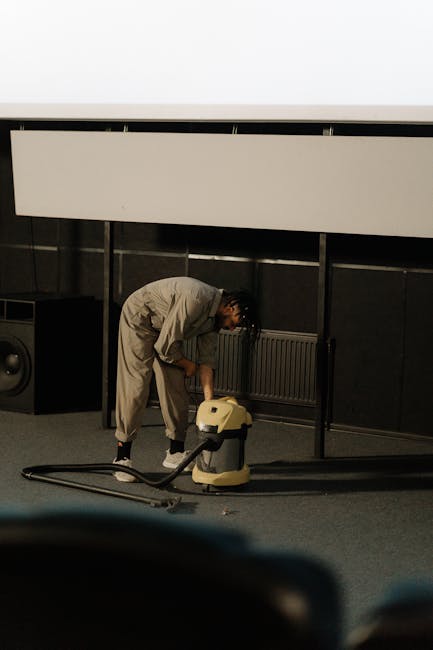
Why Office cleaning for Olympia London exhibitors Matters
Exhibition spaces are strange little worlds. They are part office, part showroom, part temporary workplace, and part hospitality area. At Olympia London, exhibitors need to make a compact space feel open, welcoming, and credible very quickly. Cleaning is not just about appearance; it supports how long visitors stay, how comfortable staff feel, and how smoothly the whole day runs.
A clean exhibition stand helps in three ways. First, it protects presentation: fingerprints on acrylic, dust on shelving, and crumbs around catering points can make even a well-designed stand look neglected. Second, it improves function: fewer trip hazards, fewer cluttered surfaces, and less time spent hunting for wipes, bins, or fresh cups. Third, it protects reputation. Visitors may not consciously say, "this stand is clean," but they absolutely notice when it is not.
There is also the practical side. Exhibitors often arrive early, leave late, and work in short bursts between meetings. That means cleaning has to fit around installation, demonstrations, hospitality, and packing down. It is not the same as a weekly office clean. It is more responsive, more detailed in certain areas, and more sensitive to timing. If you have ever tried to clear a coffee spill at 8:45 a.m. while someone is asking for a brochure and another person is looking for a charger, you know the feeling. Not ideal.
For businesses that exhibit regularly, a repeatable cleaning plan becomes part of the event strategy. It keeps the brand image consistent and removes a lot of last-minute stress. That alone is worth a lot.
How Office cleaning for Olympia London exhibitors Works
In practice, exhibition cleaning usually happens in three phases: pre-event, live-event, and post-event. Each one has different priorities, and the best results come when you plan for all three instead of only thinking about the day you open.
1. Pre-event cleaning
Before the show starts, the focus is on making sure the stand, temporary office area, or hospitality zone is clean and ready for setup. This can include dusting display surfaces, wiping joinery, cleaning floors, polishing glass, sanitising touchpoints, and removing packaging debris after installation. Pre-event cleaning is where you create the baseline, which makes later maintenance much easier.
2. Live-event cleaning
Once the doors open, the job changes. Live-event cleaning is about keeping the space looking presentable without interrupting conversations or presentations. That usually means discreet wipe-downs, bin emptying, replenishing consumables, spot-cleaning spills, and keeping toilets or staff-only areas tidy if they sit within the exhibition footprint or nearby office area.
This stage is often the most valuable, because things get messy in tiny ways. Hand cream marks on tables. A bit of dust on black shelving. Footfall bringing in dirt from outside. A stack of used cups that somehow appeared from nowhere. A good cleaner notices these before visitors do.
3. Post-event cleaning
After the event, there is reset work. Tape residue, marks on floors, leftover packaging, carpet debris, and general dust all need removing before handover. Post-event cleaning should be planned around dismantling, because trying to clean too early is usually a waste of time. Better to wait until stand build-down is done, then clear it properly in one go.
For a broader service mix, some exhibitors also combine cleaning with other support work. If your setup includes fabric seating or lounge areas, the upholstery cleaning service and carpet cleaning options can be useful outside the show itself, especially where reception furniture, office seating, or rented furnishings need attention before and after the event.
Key Benefits and Practical Advantages
The obvious benefit is presentation. The less obvious benefits are often the ones that matter most over a long event day.
- Better first impressions: A tidy, fresh stand signals professionalism before anyone says a word.
- Longer visitor comfort: People are more likely to stay if the area feels organised and pleasant.
- Staff morale: Teams work better in a clean space, especially on long days when energy dips.
- Reduced risk of accidents: Spills, cords, loose waste, and clutter can become hazards very quickly.
- Faster reset between busy periods: If surfaces are maintained throughout the day, the stand recovers quickly after peak footfall.
- Less brand damage: Mess is memorable, and not in a good way.
There is a commercial upside too. An exhibition environment is a sales environment. A clean table invites a conversation. A spotless brochure rack makes your materials look intentional instead of rushed. Even small details, like a bin that is not overflowing or a kitchen area that does not smell stale, help keep the whole experience polished.
Practical takeaway: the best exhibition cleaning is usually invisible. Visitors should notice the stand, the people, and the message - not the dust, the marks, or the bin bags.
If you are building a broader local presence around events and hospitality in the area, the article on great event venues in Kensington gives useful context on how local venue expectations tend to shape service standards. And if you need a company background before booking, the about us page is a sensible place to start.
Who This Is For and When It Makes Sense
Not every exhibitor needs the same level of cleaning support. A small two-person stand with minimal materials will need a different approach from a multi-zone display with hospitality, screens, carpeted areas, and back-of-house storage.
This kind of cleaning makes sense for:
- Exhibitors with a branded office-style stand at Olympia London
- Marketing teams hosting a steady stream of visitors
- Sales teams managing product demos, laptops, and printed collateral
- Companies with catering, drinks service, or food sampling on site
- Agencies handling multiple client stands in the same event cycle
- Businesses that need regular cleaning before, during, and after the show
It is especially useful when the event is high-traffic, the stand uses premium finishes, or the team has limited time for self-maintenance. To be fair, even well-organised teams underestimate how quickly a stand accumulates mess once doors open and people begin leaning on surfaces, leaving marks, and asking for "just one more copy" of the brochure.
If you are attending the area regularly, you may also want to read the local perspective in what to expect living in Kensington, which helps explain why presentation standards tend to feel especially important around West London venues and business addresses.
Step-by-Step Guidance
If you want exhibition cleaning to run smoothly, the easiest way is to treat it as part of the event plan, not as an afterthought. Here is a straightforward way to approach it.
Step 1: Map the actual cleaning zones
Start by dividing the space into practical zones: visitor-facing surfaces, staff-only areas, catering points, technology stations, storage, and flooring. Each zone will need a different level of attention. A laptop desk, for example, needs careful dry dusting and touchpoint cleaning; a catering counter needs more frequent wipe-downs and waste control.
Step 2: Identify the high-touch areas
Door handles, table edges, touchscreens, sample trays, brochure stands, and coffee points are usually the highest-touch areas. These are the places where grime builds fastest, and they should be checked several times throughout the day if footfall is steady.
Step 3: Build cleaning into the event timetable
It helps to slot cleaning around the show flow. Early morning set-up, lunch-time refresh, and late-afternoon tidy-down are common windows. If product demonstrations are running on the hour, you may need shorter, quieter interventions between them instead of one big clean.
Step 4: Decide what must be done in-house and what needs support
Some tasks can be handled by the stand team, like wiping a table or clearing cups. Other tasks are better left to a dedicated cleaner, especially anything involving floor care, more thorough sanitising, or post-build debris removal. Trying to do everything yourself often ends up as a false economy.
Step 5: Prepare supplies before the event opens
Nothing slows a busy stand more than searching for cloths, bin liners, gloves, sprays, or spare paper products. Keep supplies visible but neat, and have backups ready. It is boring prep, yes, but it saves a headache later.
Step 6: Check and reset at agreed intervals
A short reset every few hours often works better than one long clean. It keeps surfaces fresh, prevents clutter from spreading, and gives your team a moment to breathe. One quick sweep can make the whole area feel like it has had a proper reset.
Step 7: Close down properly after the event
Once the show is over and the stand is being dismantled, clean in the right order: remove waste, clear loose materials, treat marks, then finish floors and touchpoints. Post-event cleaning is much easier if packaging and build materials are already under control.
Expert Tips for Better Results
Over time, a few habits make the biggest difference.
- Use matte finishes where possible: High-gloss surfaces look great, but they show fingerprints at the worst possible moment.
- Keep a mini reset kit on site: Microfibre cloths, sanitiser, bin liners, spare tissues, and gloves go a long way.
- Label waste clearly: It reduces confusion when several people are using the same space.
- Protect flooring early: Temporary floor protection is easier than trying to remove wear and scuffs later.
- Plan for drinks and snacks: Hospitality is where many stands lose their clean look fastest.
- Agree who owns what: If everyone assumes someone else is clearing the cups, the cups stay there. Funny how that works.
A useful detail many exhibitors miss: think about the sound and pace of cleaning. Quiet, efficient cleaning is far less disruptive than a noisy, last-minute flurry right in front of visitors. Small things matter. The soft swipe of a cloth over a table can feel reassuring; a clattering bin bag, not so much.
For event-heavy businesses, the right support can extend beyond a single show. The British hospitality in Kensington article is a good reminder that presentation and welcome go hand in hand in this part of London.
Common Mistakes to Avoid
Even experienced teams slip up here, usually because the day gets busy and the small stuff slips through.
Leaving cleaning too late
If you wait until the stand looks messy, you are already behind. Small resets keep the space under control.
Ignoring the build-up around edges
Dust collects along skirting, beneath counters, and around fixed furniture. Visitors may not inspect these corners closely, but they still affect the overall feel.
Using the wrong products on delicate finishes
Glass, acrylic, vinyl, fabric, brushed metal, and painted surfaces all behave differently. What is safe for one can mark another. That is where some careful product choice matters.
Forgetting storage and back-of-house areas
Hidden clutter tends to spread outward. If the storage corner is messy, the rest of the stand usually follows.
Assuming the stand team can "just manage it"
They can manage some things. But if they are also presenting, taking leads, handling stock, and welcoming visitors, cleaning often becomes the thing nobody quite has time for.
Neglecting post-event clean-down
This is a classic. Once the event is over, people are tired and keen to leave. Yet a proper clean-down protects the stand, the materials, and the handover. Skipping it usually creates extra work later.
If you need a better sense of how service levels and customer care are presented by the business, the complaints procedure and terms and conditions pages help show the kind of process-driven approach people often look for before booking.
Tools, Resources and Recommendations
You do not need a warehouse of equipment to keep an exhibition space in order, but you do need the right basics.
- Microfibre cloths for dusting and polishing
- Low-residue, surface-appropriate cleaning products
- Bin liners and discreet waste containers
- Disposable gloves for waste handling and spill response
- Small vacuum or compact floor-cleaning equipment if suitable
- Glass and screen-safe cleaning materials
- Spill kits for drinks, samples, or minor accidents
- Stock labels and small storage boxes for tidy back-of-house areas
For more general service planning, the pricing and quotes page is useful if you are comparing what support may fit your event budget. And if you are thinking about how the service fits alongside other regular property care, the domestic cleaning and house cleaning pages can help you see how different cleaning needs are typically handled across settings.
Recommended approach: choose products and methods that suit the materials on your stand, keep supplies simple, and avoid anything that leaves streaks or sticky residue. Exhibition lighting shows everything, even the bits you hoped nobody would notice.
Law, Compliance, Standards, or Best Practice
For exhibition cleaning, the main concern is not usually a single special law for stands; it is managing the normal duties that apply to any workplace or business activity. That includes keeping the area reasonably safe, handling waste properly, and using cleaning products and equipment sensibly.
In UK practice, exhibitors should think about:
- Health and safety: keeping walkways clear, dealing with slips quickly, and avoiding unsafe cable or waste build-up
- Risk awareness: noting wet floors, fragile items, or areas with public access
- Staff welfare: making sure cleaners and stand staff can work without unnecessary exposure to strong chemicals or cluttered spaces
- Waste handling: separating and removing rubbish in line with venue arrangements
- Insurance awareness: confirming the relevant cover is in place for event activities and any cleaning contractor used
That is why a clear health and safety policy matters. So does understanding the provider's general approach to insurance and safety. If cleaners are working around members of the public, cables, catering, or delicate displays, you want careful habits, not guesswork.
Best practice also includes simple operational discipline: agree access times, confirm who holds keys or passes, identify emergency contacts, and keep a short cleaning log if the event is multi-day. Nothing fancy. Just clear lines and less confusion when the hall gets busy.
Options, Methods, or Comparison Table
There are a few common ways exhibitors approach cleaning. The right choice depends on stand size, visitor volume, and how polished the presentation needs to be.
| Method | Best for | Strengths | Limitations |
|---|---|---|---|
| In-house tidy-up only | Small stands with light footfall | Simple, low cost, easy to control | Can be inconsistent during busy periods |
| Pre-event professional clean | Stands that need a strong opening presentation | Starts the event clean and organised | Does not maintain standards during the day |
| Live-event cleaning support | High-traffic or hospitality-led stands | Keeps the stand presentable throughout the day | Needs careful scheduling and access coordination |
| Full pre-, live-, and post-event cleaning | Premium exhibitors and multi-day setups | Most consistent, least stressful, best presentation control | Requires the most planning |
In most real-world cases, the best answer is somewhere in the middle. A small team may only need a thorough pre-event clean plus a light daily reset. A bigger stand with catering and demos will usually benefit from ongoing support. There is no prize for doing more than you need, but there is definitely a cost to doing too little.
Case Study or Real-World Example
Imagine a mid-sized B2B exhibitor with a branded office-style stand at Olympia London. The stand has a reception counter, two meeting tables, a carpeted area, a lockable storage cabinet, and a small hospitality point with tea and coffee. The team arrives early, sets out literature, and starts speaking with visitors almost straight away.
By late morning, the reception counter has fingerprints, the waste bin is nearly full, and one of the meeting tables has a faint ring from a coffee cup. Nothing dramatic. Just enough to dull the finish. Instead of waiting until lunchtime and letting the clutter spread, a cleaner makes a quick reset: clears waste, wipes the counter, spot-cleans the table, refreshes consumables, and checks the floor edges near the entrance where dirt tends to build up.
The result is not flashy. In fact, that is the point. Visitors return to a stand that still feels calm. The team can keep focusing on conversations rather than apologising for the mess. By the end of the day, they are not facing a major clean-up, just a sensible close-down.
That is usually how good exhibition cleaning works. Quietly. Consistently. Without fuss. And if the event happens to be in West London, having local knowledge helps with timing, access, and practical coordination too. For example, some exhibitors looking at nearby properties or event-related support also browse the Kensington housing market overview or even the more niche cleaning services for Earls Court flats on Lillie Road to understand the local service landscape. Different context, sure, but the same attention to detail tends to carry through.
Practical Checklist
Use this as a quick pre-show and in-show reminder.
- Confirm what areas need cleaning before the event opens
- Identify high-touch surfaces and waste points
- Set the cleaning schedule around demos, meetings, and catering
- Prepare cloths, wipes, bin liners, gloves, and spill materials
- Protect delicate finishes and flooring where needed
- Make sure staff know who handles what
- Keep storage areas tidy and out of visitor sight
- Empty waste before it becomes visible clutter
- Refresh tables, counters, and touchpoints during the day
- Plan a proper post-event clean-down after dismantling
- Check access, security, and any venue instructions in advance
- Review what worked so the next event runs even smoother
Conclusion
Good exhibition cleaning is not about making a stand look sterile or over-managed. It is about keeping the space easy to use, pleasant to enter, and credible at every stage of the event. For Olympia London exhibitors, that can mean the difference between a stand that feels polished and one that slowly drifts into clutter by mid-afternoon.
Start with the basics: plan the zones, protect the high-touch areas, build in quick resets, and do not leave the close-down to chance. Once those parts are in place, the whole event feels calmer. Less scramble, more control. And honestly, that calm is worth a lot when the hall is buzzing and every minute counts.
If you are weighing up support, comparing service options, or simply trying to work out what level of cleaning makes sense for your exhibition stand, taking a local and practical approach is the smartest move. You do not need perfection. You just need a space that works, looks good, and lets your team do what they came to do.
Get a free quote today and see how much you can save.