Access issues for basement flats cleaning in West Kensington
Posted on 30/06/2026
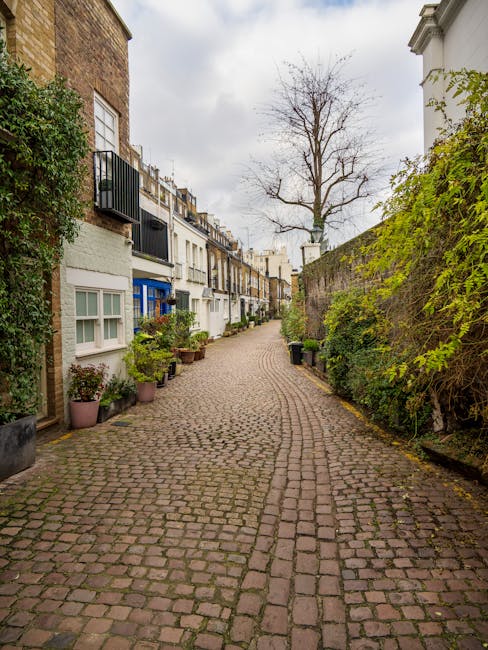
Basement flats can be brilliant to live in: often quieter, often a little cooler in summer, and tucked away in a way that feels more private than a street-level home. But when it comes to cleaning, access issues can turn a straightforward job into a bit of a puzzle. Narrow stairwells, awkward corners, limited daylight, shared entrances, and somewhere to park the van for five minutes. It all matters. If you are dealing with access issues for basement flats cleaning in West Kensington, the trick is not to fight the layout - it is to plan around it.
This guide explains what tends to go wrong, how a cleaner should approach the job, and which small preparations make the biggest difference. It also covers safety, best practice, and the practical bits people forget until the cleaner is already at the door. Truth be told, that is usually when the stress starts.
Why access issues for basement flats cleaning in West Kensington matters
Access problems are not just a scheduling nuisance. They affect how long the clean takes, what equipment can be brought in, how safely the job can be done, and whether the final result actually meets expectations. In a basement flat, the route from pavement to property can be part of the challenge: steep steps, tight bends, low ceilings, or a door that opens inward and blocks movement. A cleaner carrying a vacuum, mop bucket, carpet machine, or upholstery tools needs a clear path, not a guessing game.
West Kensington has a mix of period conversions, mansion blocks, and compact flats where basement layouts are common. That means cleaners often have to work around shared hallways, residents coming and going, and entry systems that need a buzz-in, a key safe code, or a very specific arrival time. Miss one detail and you can lose 20 minutes before the job even begins. That is frustrating for everyone.
There is also the simple matter of trust. A homeowner, landlord, or tenant wants to know that the cleaner understands the property properly. If access is planned badly, the job can feel rushed, noisy, or incomplete. If access is planned well, the whole experience tends to feel calm, efficient, and a lot less intrusive. To be fair, that is what most people want from cleaning anyway: get in, get it done, leave the place better than you found it.
How access issues for basement flats cleaning in West Kensington works
The process usually starts before anyone arrives on site. A good cleaning appointment for a basement flat should begin with a short exchange of practical details: where the entry point is, whether there are stairs, whether parking is possible, whether someone needs to be present, and whether any pets, alarms, or shared-door codes are involved. That sounds basic, but basic is what keeps the day from wobbling.
For basement flats, cleaners often need to work in a sequence that respects both the building and the layout. That may mean carrying lighter tools first, checking access routes before bringing in larger equipment, and deciding whether some tasks should be done in a different order. For example, a carpet clean in a basement flat may be better scheduled when the floor can dry with decent ventilation, rather than late in the evening when windows cannot stay open.
It also helps to think in terms of movement. Can the cleaner move from entrance to kitchen without squeezing past furniture? Is there space to safely place buckets or equipment without blocking the only exit? If the answer is no, then the clean may still be perfectly possible - it just needs a smarter plan. Sometimes that means bringing fewer tools. Sometimes it means extra time. Sometimes it means splitting the job into sections.
If you want a wider look at how local cleaning services are usually organised, the services overview is a useful place to start. For post-build or awkward-lay-out properties, the issues can overlap with what is covered in after-builders deep cleaning in West Kensington, especially when debris, dust, or limited entry points are part of the story.
Key benefits and practical advantages
Getting access right is not glamorous, but it pays off quickly. The first benefit is time. A cleaner who knows how to enter the property, where to park, and which door to use can start work properly rather than spending the first half of the appointment solving a logistics problem.
The second benefit is care. Tight basement access often means more bump risks, more shoe-on-floor contact, and more chances for equipment to scrape walls or snag on corners. When the route is understood in advance, the cleaner can protect the property better. That matters in West Kensington, where many flats have older finishes, narrow staircases, and delicate paintwork that do not appreciate a rushed arrival.
The third benefit is better results. A clean in a basement flat often needs attention to damp-prone corners, window ledges, ventilation points, under-stair storage, and the areas where dust settles quietly and stubbornly. If the access plan is sorted, more time goes into proper cleaning instead of basic moving-around.
There is also a comfort factor. Residents are less stressed when they know the cleaner understands the building. Landlords and tenants both tend to notice that. A tidy, well-run visit creates less disruption and fewer follow-up questions. Small thing, really, but those small things add up.
Who this is for and when it makes sense
This topic matters to anyone responsible for a basement flat in West Kensington, but it is especially relevant for:
- tenants preparing for a routine clean or end-of-tenancy inspection
- landlords arranging maintenance between tenancies
- homeowners who need regular domestic cleaning but have awkward access
- letting agents handling older conversions or shared-entry flats
- people booking a one-off deep clean after a busy season or renovation
It also makes sense whenever the property has any of the following: steep internal stairs, a lower-ground entrance, no lift access, limited hallway width, poor parking access, or a shared entrance that needs coordination with neighbours. Basement flats can be completely manageable. They just rarely behave like standard ground-floor jobs.
If your property is part of a residential conversion, it can help to understand the wider local housing context too. The Kensington housing market overview and what to expect living in Kensington both provide helpful background on the sort of homes and layouts that show up in this part of London.
One quick note: if the place is used occasionally for hosting or short-stay stays, access planning becomes even more important. Busy arrival windows and guest turnover can make a mess of the schedule if entry details are not locked down. We have all seen that one key left in a slightly mysterious place. Not ideal.
Step-by-step guidance
Here is a practical way to handle cleaning access for a basement flat without overcomplicating things.
- Map the route in advance. Check how someone enters the property, how many stairs there are, and whether the cleaner will need to pass through shared areas.
- Confirm the key or entry method. Decide whether there is a key handover, a key safe, a buzz-in system, or someone meeting the cleaner on arrival.
- Identify access constraints. Note narrow hallways, low ceilings, awkward door swings, or places where a vacuum or carpet machine may not fit comfortably.
- Clear the route. Move shoes, bags, prams, boxes, or anything else likely to block the walkway. A clear entrance makes a bigger difference than most people expect.
- Plan equipment carefully. If the job involves carpet cleaning or upholstery cleaning, check whether larger tools can realistically be brought down safely.
- Agree the timing. Pick a slot that avoids peak building traffic, noisy household activity, or times when neighbours are likely to be squeezing through the same entrance.
- Protect ventilation and drying time. Basement properties can hold moisture more stubbornly, so allow enough airflow and drying time after wet cleaning methods.
- Review the result once the clean is complete. Walk through the space, check the route was left tidy, and make a note of anything that should be handled differently next time.
A small practical detail often forgotten: if the cleaner must access the flat through a communal hallway, make sure they know whether they can prop a door safely, where to leave their kit, and whether any building rules apply. This saves awkward back-and-forth later.
Expert tips for better results
First, keep communication short and specific. Cleaners do not need a novel; they need the useful bits. "Two sets of stairs, narrow right turn at the bottom, key with concierge, parking on the opposite side" is much better than "access may be a bit tricky." It is the difference between a smooth arrival and a slightly confused one.
Second, think about lighting. Basement flats can be dim even in daytime, especially on grey London mornings when the light just never quite gets in. If a cleaner cannot see skirting lines, corners, or under-furniture dust properly, the finish suffers. Portable lighting is not always necessary, but a well-lit route and enough natural light really do help.
Third, consider noise and neighbour sensitivity. Stairwells, hard floors, and shared entrances can carry sound more than you realise. A quieter setup, careful tool handling, and a sensible start time make the appointment feel less intrusive. A bit of tact goes a long way.
Fourth, if the property is damp-prone, favour methods that control moisture. That might mean less water, more targeted cleaning, and more open time for air circulation. A basement flat is not the place to drench everything and hope for the best. Nobody wants that lingering, slightly musty smell hanging around the next morning.
Finally, choose a service that can adapt. The cleaner should be able to work around access limits without treating them like a complaint. A professional who has seen awkward stairs, low doors, and tight entryways before will not panic. That confidence shows. If you are comparing service types, the broad options on domestic cleaning in West Kensington and house cleaning in West Kensington can help you see what level of support suits the property.

Common mistakes to avoid
The most common mistake is leaving access details until the day of the clean. That is how delays happen. It is also how a short appointment turns into a rushed one. If a cleaner arrives and spends ten minutes waiting outside, the whole plan is wobbling already.
Another mistake is assuming any cleaning equipment will fit. It may not. A bulky machine may be fine in a standard home but awkward in a basement flat with a tight stairwell. Better to flag this early than to discover it halfway down the stairs, while everyone stands there doing the silent "well, this is awkward" face.
People also underestimate drying time. A basement flat can stay cooler and less airy than other homes, so wet cleaning methods may need more careful planning. If windows do not open fully or airflow is limited, carpet and upholstery jobs may need extra time to settle properly.
Do not forget shared access etiquette either. Leaving a hallway cluttered, propping open a communal door without permission, or blocking a neighbour's route can create avoidable problems. A professional cleaner should work neatly, but the resident should help by preparing the route and confirming any building rules.
Lastly, do not book the wrong type of service for the access conditions. A deep clean, a carpet clean, and an end-of-tenancy clean all have different practical demands. If the flat is hard to access, say so. If the layout is unusual, mention it. That honesty makes everything easier.
Tools, resources and recommendations
You do not need a full toolkit yourself, but a few simple things can make access a lot easier:
- a clear entry path with shoes, coats, parcels, and clutter moved aside
- good instructions for keys, buzzer codes, or concierge handover
- basic door protection such as felt pads or a clean barrier if agreed in advance
- working lights in the hall, stairwell, and main rooms
- a window-opening plan if ventilation will matter after wet cleaning
- portable storage for anything fragile that could get in the way
It also helps to know which service page best matches the work you need. For carpets, look at carpet cleaning in West Kensington. For furniture care, upholstery cleaning in West Kensington is the more relevant fit. If you need a broader property refresh after moving out, end of tenancy cleaning in West Kensington is usually the one people check first.
For service planning, pricing clarity matters too. A basement flat with difficult access may need a slightly different quote structure than a simple walk-in job. It is sensible to review the company's pricing and quotes guidance before booking. No one enjoys surprise add-ons, least of all on move-out day.
You may also find it useful to understand the company's approach to safety and service standards through insurance and safety and health and safety policy. Those pages are not exciting reading, granted, but they are reassuring in the right kind of way.
Law, compliance, standards, or best practice
For access-related cleaning in basement flats, the main point is simple: work should be carried out safely, with due care for occupants, visitors, cleaners, and the building itself. In the UK, that usually means sensible risk management, clear communication, and proper handling of any trip hazards, manual lifting issues, or wet-floor risks.
Best practice normally includes:
- confirming access in advance so no one is left waiting outside
- avoiding blocked exits or unsafe equipment placement
- using appropriate lifting and carrying methods on stairs
- keeping communal spaces tidy and free from spill risk
- checking whether the property needs special care because of damp, poor ventilation, or fragile finishes
Basement flats can also raise accessibility considerations for residents with limited mobility, which is why it is worth thinking beyond the cleaning itself. If someone uses walking aids, has reduced vision, or needs a clear route through the home, access planning should be more careful. The accessibility statement is relevant here because it reflects a wider commitment to making service access clearer and more usable for different needs.
It is also wise to review terms before the appointment. Things like missed access, rescheduling, and late arrival can affect how a visit is handled, so the terms and conditions page is worth a quick look. If payment or pre-authorisation is involved, payment and security may also help you understand the process.
And if something ever goes wrong, a clear complaints route is a good sign. It means the business is organised enough to deal with issues properly rather than shrugging and moving on. That is not something to ignore.
Options, methods, or comparison table
Different basement flats need different approaches. The best method depends on the layout, the cleaning task, and how much access friction you are dealing with. Here is a simple comparison.
| Method | Best for | Pros | Watch-outs |
|---|---|---|---|
| Standard domestic cleaning | Routine upkeep, light debris, regular tidying | Quick, flexible, easy to fit around narrow access | May not be enough for heavy dirt or post-renovation buildup |
| Deep cleaning | Busy flats, neglected corners, seasonal refreshes | More thorough, better for basement dust and grime | Needs more time and better ventilation planning |
| Carpet cleaning | Stains, odours, worn high-traffic areas | Strong visual improvement, helps lift lingering smells | Equipment access and drying time matter a lot |
| End-of-tenancy cleaning | Move-outs, inspections, landlord requirements | More complete and inspection-friendly | Needs tight scheduling and clear entry coordination |
If the property also serves a workplace purpose, or sits close to a mixed-use building, the access questions can become more like those seen in office cleaning in West Kensington - timing, shared entrances, and disruption control all matter. And for busy local event periods, it is no accident that some readers also look at office cleaning for Olympia London exhibitors because the same "get in, get out, don't cause chaos" mindset applies.
Case study or real-world example
Imagine a lower-ground flat in West Kensington with a front step down from street level, a tight internal turn, and a shared hallway that narrows near the entrance. The resident wants a full clean before a tenancy check, plus carpet care in the living room and hallway.
If the booking is made without access notes, the cleaner may arrive with a larger machine that cannot comfortably round the turn. They may need to leave equipment at the top of the steps, make several trips, and work more slowly than planned. Not disastrous, but inefficient. The resident ends up feeling as if the job is taking forever, and the cleaner has to keep adjusting on the fly.
Now compare that with a properly planned visit. The resident confirms the narrow stairwell in advance, mentions the doorway width, and flags that the parking space is on the opposite side of the road. The cleaner arrives with a more suitable setup, starts promptly, and allows extra time for the carpet work and drying. The flat is cleaned thoroughly, the hallway is left tidy, and the resident does not spend the afternoon worrying about whether the stairs are a problem.
That is the difference. Same flat, same service type, very different experience. The layout did not change. The planning did.
For people who need a broader local context on how housing and property use can shape service planning, the savvy investor's Kensington real estate guide is a helpful reminder that property type and access are often linked. Basement flats are rarely "just a flat" in practical terms.
Practical checklist
Use this before the cleaner arrives. It keeps the day much smoother.
- Have you explained exactly where the entrance is?
- Are any stair counts, sharp turns, or low ceilings mentioned?
- Is there a key, code, or meet-and-greet plan confirmed?
- Have you warned about parking restrictions or loading difficulty?
- Is the route to the flat free from shoes, parcels, boxes, or clutter?
- Do any neighbours, concierge staff, or building rules need to be considered?
- Have you said whether pets, alarms, or children will be present?
- Is there enough ventilation for wet cleaning or carpet work?
- Have you told the cleaner about any damp-prone areas or fragile surfaces?
- Is there enough time in the booking for slower access and proper drying?
One more thing: if you need urgent help or a tight turnaround, do not wait until the last minute. Booking pressure can turn a small access issue into a bigger headache. The article on booking delays and last-minute cleaners in West Kensington is a sensible read if you are working to a deadline.
Get a free quote today and see how much you can save.
Conclusion
Access issues for basement flats cleaning in West Kensington are manageable, but they deserve proper attention. The more tightly the entry route, timing, and equipment needs are planned, the better the final clean will be. That is true whether you are a tenant trying to hand back keys, a landlord preparing a flat, or a homeowner simply trying to keep the place feeling fresh and comfortable.
Basement flats ask for a little more care. A little more foresight. Sometimes a little patience too. But once the access is mapped and the job is set up properly, the result can be excellent. Calm, thorough, no drama. And honestly, that is a lovely thing when you live in a city where everyone seems to be carrying something, rushing somewhere, or both at once.
With the right planning, even the awkward properties become straightforward enough. Not perfect. Just properly handled - and that makes all the difference.